Choosing the right payment system matters more than many buyers expect.
A wrong setup will not break the machine.
But it will reduce conversion.
In 2026, most payment decisions fail not because of technology,
but because operators misunderstand how people prefer to pay.
This guide explains the real differences between card, QR, cash, and coin payment systems—without unnecessary theory.
Why Payment Setup Matters
Payment affects behavior.
If paying feels inconvenient, users walk away.
If payment feels familiar, conversion happens naturally.
That is why payment choice often has a bigger impact than machine design.
The Four Payment Options You May Encounter
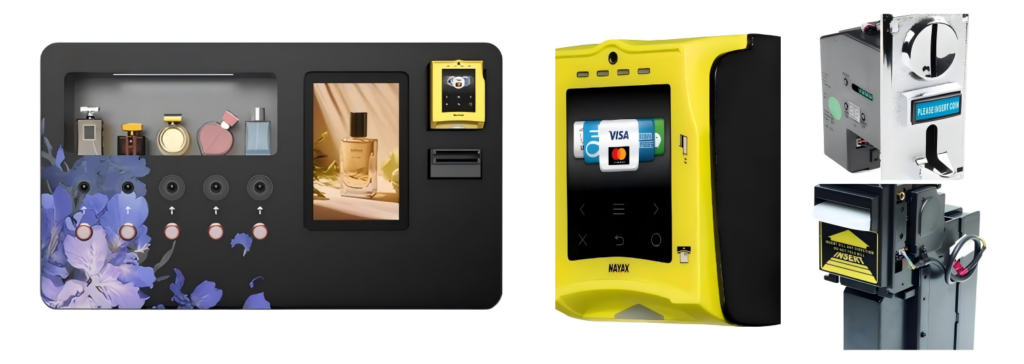
Most perfume vending machines today support the following options:
- Card payment (via cashless terminals such as NAYAX)
- QR code payment (usually integrated through cashless systems)
- Cash / bill acceptor
- Coin acceptor
Not all options are equal.
And not all should be used together.
If you have more specific questions about setup, warranty, or operation, our perfume vending machine FAQ.covers the most common buyer concerns.
Card & Cashless Payment (The Base Setup)
Card payment is the most common starting point.
It is usually handled through cashless terminals such as NAYAX.
This setup supports:
- Credit and debit cards
- Backend reporting
- Remote monitoring
For many operators, this becomes the main payment system of the machine.
QR Code Payment (How It Actually Works)
QR payment is often misunderstood.
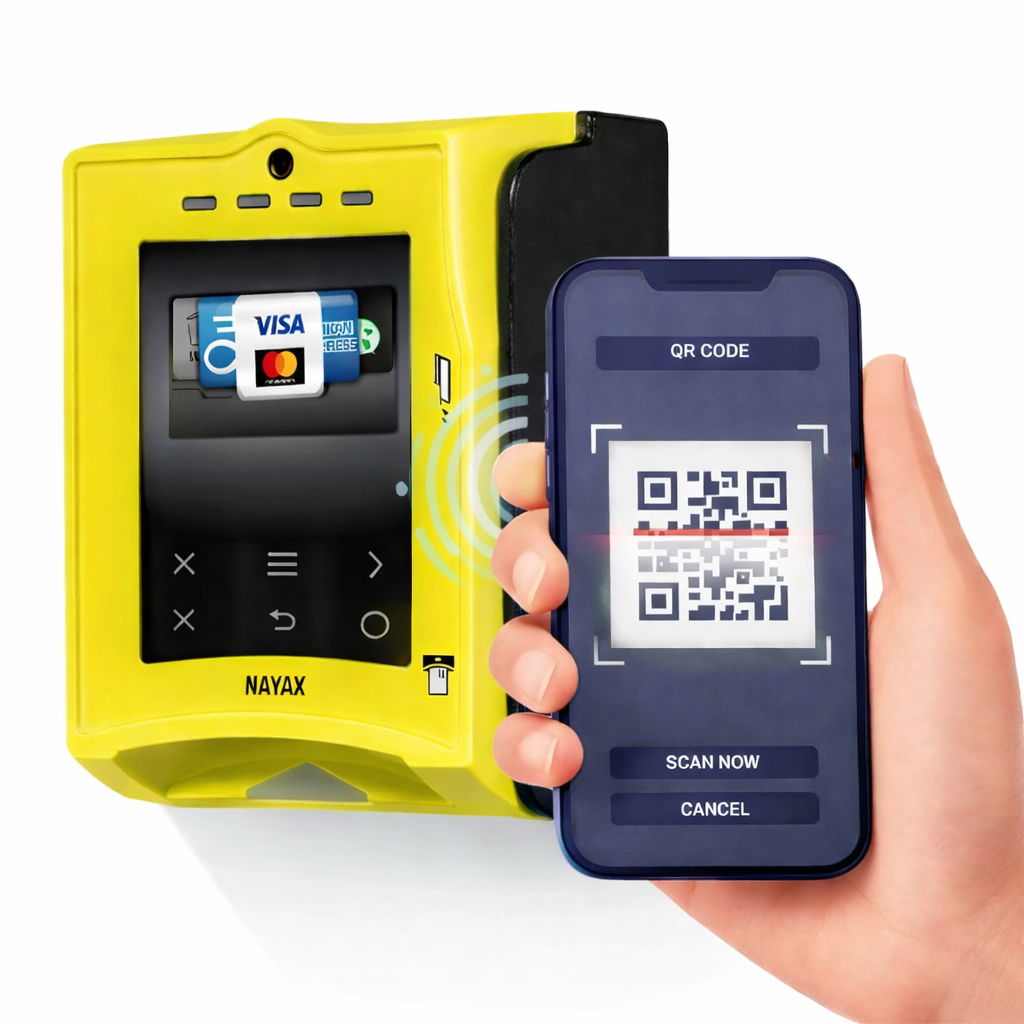
QR Is Usually Integrated, Not Standalone
In most cases, QR payment is not a separate system.
It is integrated through cashless platforms like NAYAX,
which connect with local QR or mobile wallet providers.
This means:
- QR availability depends on local integration
- It varies by country
- It mainly serves local users
QR works well where mobile wallets are already part of daily life.
It is not designed to replace card payment in most setups.
Cash Payment (Bill Acceptor)
Cash payment is simple, but limited.
A bill acceptor:
- Accepts paper money
- Usually does not provide change
- Requires manual cash collection
Cash still exists in some locations.
But its role is shrinking in many markets.
Coin Payment
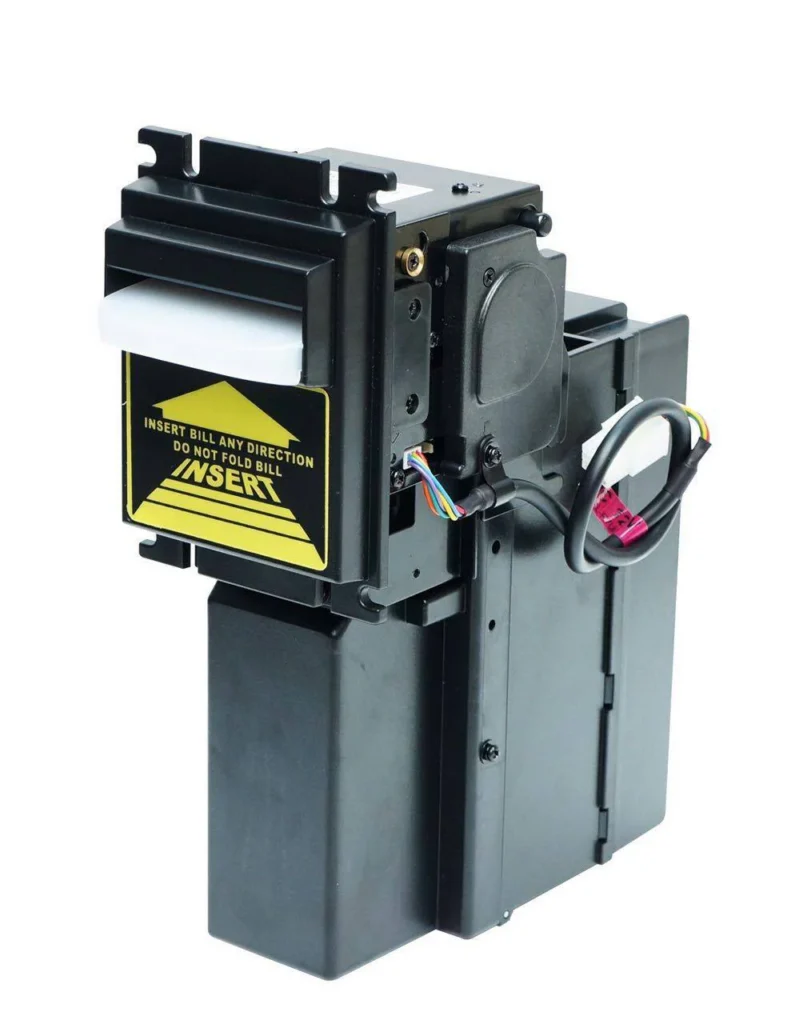
Coin payment is the most basic option.
A coin acceptor:
- Accepts coins only
- Has no change function
- Requires manual collection
For many first-time operators, coin payment adds effort without clear benefits.
Can Card, QR, Cash and Coin Be Used Together?
Yes—but with structure.
In most real-world setups, perfume vending machines are configured with:
- One main payment system (usually card via NAYAX or QR)
- One additional option (coin or cash, if needed)
Most perfume machines are designed to run one primary system.
Adding too many payment methods increases complexity without guaranteed results.
How Payment Choice Affects Pricing and User Behavior(H2)
Payment type influences how users think.
- Card and QR allow flexible pricing
- Cash and coin encourage price sensitivity
- Payment familiarity matters more than screen design
Users do not analyze the perfume vending machines.
They react instinctively.
What We Usually Recommend for First-Time Buyers
Based on real usage patterns:
- Start with card payment
- Add QR only if local habits clearly support it
- Consider cash or coin only after real usage data
The first machine should be easy to manage.
Complexity can come later.
Common Payment Mistakes Buyers Make
New operators often repeat the same mistakes:
- Choosing cash or coin only to avoid fees
- Assuming QR works the same in every country
- Trying to support every payment option from day one
Most of these issues are avoidable with a simple setup.
Final Thoughts
Payment systems are not about technology.
They are about habits.
The closer your setup matches how people already pay,
the better your perfume vending machine will perform.
For a step-by-step overview of planning, setup, and first deployment, you can also read our beginner guide to starting a perfume vending machine business.